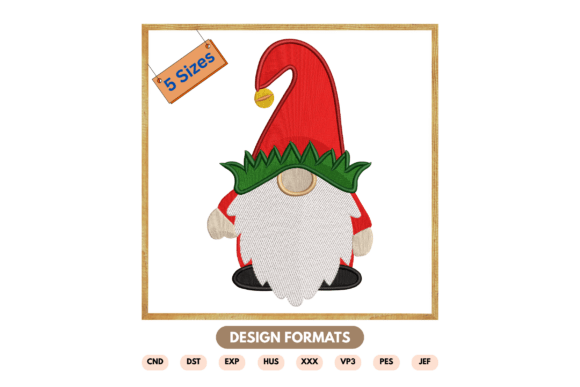
Christmas Elf Gnome Embroidery Design
First Impression: Festive, Friendly, and Instantly Recognizable
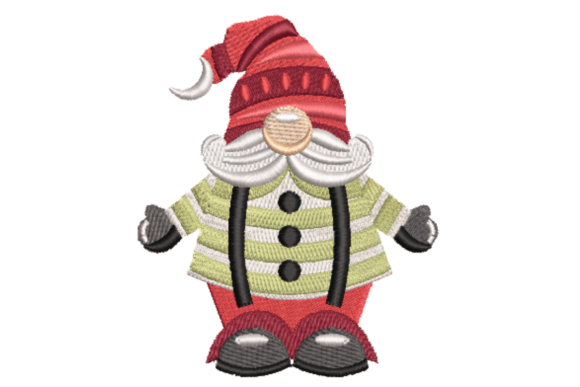
As an embroidery designer who’s prepped over 200 craft fair booths, my first reaction to the Christmas Elf Gnome Embroidery Design is immediate: it’s a mood-lifter. Not overly cutesy, not too rustic—it lands right in that sweet spot between playful and polished. The fusion of elf and gnome motifs taps into two beloved holiday archetypes without feeling derivative. That jingle bell on the hat? A subtle but powerful visual cue. Green trim adds cohesion and seasonal warmth. At a glance, this design reads as festive, handmade, and full of personality—exactly what draws customers to a booth full of small shop products.
Where It Shines: Craft Fair Product Placement That Converts
This design isn’t just charming—it’s versatile. On a natural canvas tote bag, it becomes a conversation starter: friendly enough for teens, nostalgic enough for grandparents. As an apron embroidery piece, centered above the pocket, it adds whimsy without overwhelming utility. For tea towel embroidery, place it low on the hem—small enough to avoid fabric bulk but large enough to read from across a market aisle. As an embroidered patch, it’s ideal for iron-on or sew-on applications on denim jackets, backpacks, or stocking stuffers. On a curved cap surface, test placement carefully—the hat’s bell and facial features need breathing room, so avoid stretching near the crown seam.
Small pouches and pillow covers benefit most from its balanced proportions: the gnome’s rounded form fits naturally within square or rectangular frames, and its compact height (no tall vertical elements) prevents awkward cropping. For booth samples, I recommend stitching it on a linen-cotton blend tea towel and a heavyweight cotton tote—both show off stitch definition while reinforcing perceived value. And yes—it photographs beautifully for Etsy listings: clean lines, clear contrast, and strong silhouette make printable mockups pop without heavy editing.
Production Reality Check: What Works—and What Needs Caution
The Christmas Elf Gnome Embroidery Design is highly repeatable for batch production—but only if you respect its details. Tiny areas like the jingle bell clapper and fine green trim require careful digitizing. If your embroidery file shows dense stitch areas around the bell or hat rim, expect slower run times and potential thread breaks on budget machines. Always test on scrap fabric first, especially with textured towels or thick twill caps—those surfaces can swallow delicate stitches.
Dark fabric demands high-contrast thread colors; recommend metallic gold or bright red for the bell against navy or charcoal. Avoid scaling the design below 3 inches wide: facial features and trim lose clarity fast, making it feel generic rather than special. On curved surfaces like hats or pouches, confirm hoop size compatibility—some versions may require a 5x7 hoop minimum for clean registration. And never skip stabilizer: lightweight cutaway works best for knits and stretchy fabrics; tear-away suffices for stable cottons and linens.
Design Assets That Build Trust and Value
Customers don’t buy embroidery—they buy the feeling of handmade quality and thoughtful detail. This design delivers both. Its cohesive color story (greens, reds, creams, metallic accents) supports brand consistency across your product line—imagine pairing it with coordinating tea towel sets or matching apron-and-pouch gift bundles. In a booth display, three well-executed pieces—a stitched tote, a framed patch sampler, and a folded pillow cover—create visual rhythm and reinforce premium positioning. Buyers linger longer when designs feel intentional, not incidental.
Smart Next Steps Before You Stitch
Before committing to 50 tote bags or uploading to your Etsy shop, take these practical steps:
- Test the machine embroidery design on each target fabric: towel terry, canvas, denim, and cap twill.
- Check thread contrast under natural light—not just studio bulbs—to avoid dullness in person.
- Review spacing and stitch density in your embroidery software; watch for overlapping satin columns or undersized fill areas.
- Confirm hoop size requirements—don’t assume compatibility with your smallest hoop.
- Use the right stabilizer for each substrate; skipping this step turns charm into puckering.
- Create at least one real mockup, not just a digital preview—fabric drape changes everything.
- Compare fabric colors side-by-side: cream linen vs. oatmeal cotton vs. unbleached canvas all change how green trim reads.
- Verify commercial licensing before selling finished products—this is non-negotiable for Etsy sellers and wholesale partners.
Final Thought: Why This Design Belongs in Your Holiday Lineup
The Christmas Elf Gnome Embroidery Design doesn’t chase trends—it meets real needs. It’s joyful but not childish, detailed but not fussy, festive but not dated. For craft fair sellers, it’s a reliable anchor piece: easy to explain, quick to stitch, and proven to draw smiles and sales. For handmade product makers, it elevates everyday items into giftable keepsakes. And for digital embroidery file buyers, it’s a smart addition to their design assets—versatile enough for holiday markets, cozy enough for year-round cottagecore appeal.
In short: if you’re curating a collection of small shop products that balance craftsmanship, charm, and commercial sense—this is one holiday embroidery file worth stitching first.