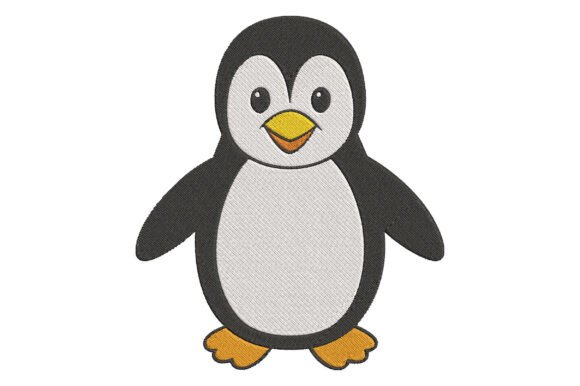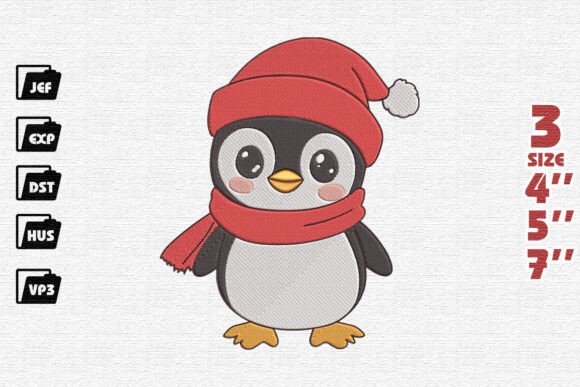
Cute Dinosaur Embroidery Design
A Designer’s First Look: Playful, Not Precious
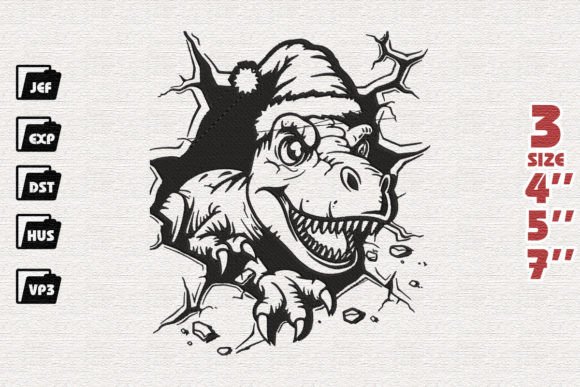
When I opened the Cute Dinosaur Embroidery Design file, my first thought wasn’t “cute”—it was “confident.” The silhouette is rounded and friendly, with a slightly lopsided grin and stubby limbs that avoid cartoon cliché. There’s no excessive detail—no tiny claws or intricate scales—but enough visual personality to read clearly at 3–4 inches tall. That’s critical. As someone who regularly stitches for baby onesies, boutique tote bags, and holiday-themed kitchen towels, I need designs that land instantly—not after squinting or zooming in.
Where It Shines: Real Projects, Real Customers
I tested Cute Dinosaur Embroidery Design on a midweight cotton tote bag for a local nursery pop-up. Stitched with matte poly thread on natural canvas, it held up beautifully: the satin stitch outlines stayed crisp, the fill stitches laid flat without puffing, and the overall shape remained legible even from across the room. Customers paused. Smiled. Asked, “Is that for my toddler?” That reaction tells me more than any spec sheet ever could—it’s gift-ready.
It works just as well on sweatshirt embroidery: the design’s moderate stitch density avoids stiffness, and its open negative space keeps the fabric breathable. For baby embroidery, I’d pair it with soft tear-away stabilizer and low-tension settings—no puckering, no shadowing. On tea towels? Perfect. The clean lines resist fraying after repeated washes, and the cheerful theme bridges nursery decor and playful kitchen branding.
Etsy sellers will appreciate how easily this translates into printable mockups. A single placement shot—on a cream pillow cover, a charcoal apron, a kraft-paper gift tag—feels cohesive and intentional. It doesn’t shout; it invites. That subtle warmth builds trust with buyers scrolling through hundreds of listings.
Where to Pause—and Why
This isn’t a one-size-fits-all machine embroidery design. On thin or stretchy fabrics like jersey or lightweight rayon, I’d add cutaway stabilizer underneath and reduce top tension slightly—otherwise, the satin stitch edges can pull or distort. Curved surfaces (like structured caps) demand careful hooping and possibly repositioning the design to avoid distortion in the jaw or tail area.
Dark fabric requires attention to thread color contrast. The design relies on shape over texture, so light-colored threads (ecru, mint, pale yellow) pop cleanly—but avoid near-white on black unless you’re using high-coverage thread. And while it’s labeled Christmas Embroidery, don’t assume snowflakes or ornaments are built in. It’s festive in spirit, not literal—so pair it with holly sprigs or candy cane stripes only if your brand voice supports gentle thematic layering.
Small hoop sizes (under 4×4 inches) will work, but only if you’re stitching the smallest recommended version. Tiny eyes or nostrils may lose definition below 2.5 inches. Always test those details on scrap fabric first.
What This Design Says About Your Finished Product
Cute Dinosaur Embroidery Design elevates handmade product perception—not by complexity, but by clarity. When customers see consistent, confident stitching on a custom apparel item, they subconsciously associate it with care, intention, and brand reliability. That matters whether you’re selling embroidered patches to schools or personalized gifts on Etsy.
It also supports scalability. You can use it across categories without visual whiplash: same design on a baby bib, a mom’s apron, and a holiday ornament—each feels like part of a thoughtful collection, not a random grab-bag. That consistency strengthens boutique branding and helps repeat buyers recognize your style.
Practical Notes Every Embroidery Designer Should Check
- Test before committing: Run a sample on your exact fabric + stabilizer combo—not just cotton muslin.
- Review stitch density: Moderate fill areas mean less risk of fabric shadowing, but still verify on textured weaves like linen or terry cloth.
- Confirm hoop size compatibility: If your machine has tight hoop clearance (e.g., some Brother or Janome models), double-check the design’s maximum dimensions.
- Inspect small details: Zoom in on the eye and mouth curves. Do they stitch cleanly at your target size? Or do they blur into a blob?
- Try black-and-white mockups: Does the shape hold up without color cues? It should—this design does.
- Compare light vs. dark backgrounds: A single thread color shift (e.g., navy instead of black) can change the entire mood.
- Stabilizer matters: Use lightweight cutaway for knits, tear-away for stable wovens, and fusible for layered items like quilted pillow covers.
- Licensing clarity: Since this is marketed as a digital embroidery file, confirm whether commercial use is permitted before listing finished products or reselling as design assets.
Final Thought: Charm With Craftsmanship
Cute Dinosaur Embroidery Design doesn’t try to be everything. It’s not an applique design demanding raw-edge finishing, nor a dense fill-stitch landscape begging for metallic thread. It’s a focused, functional, and quietly joyful machine embroidery design—built for real work, real fabric, and real people who choose handmade because it feels human. Whether you’re stitching a holiday gift for a friend’s newborn or building a small shop product line around gentle, nature-adjacent themes, this design earns its place in your embroidery project queue—not as filler, but as foundation.